
Ali Bedni Bugyal is far more than a scenic high-altitude meadow. For trekkers who slow down and observe, it reveals a rich mix of Himalayan wildlife, alpine birds, and rare plant life that thrives in this fragile ecosystem of Uttarakhand.
Having spent multiple seasons trekking across Ali and Bedni Bugyal, I’ve learned that wildlife sightings here aren’t about luck. They’re about timing, silence, and respect for the land. When approached responsibly, this trek offers one of the most authentic nature experiences in the Indian Himalayas.
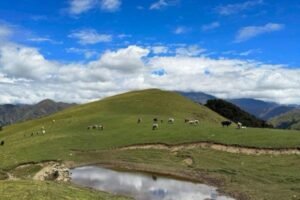
Understanding the ecosystem of Ali Bedni Bugyal
Ali Bedni Bugyal lies at an elevation of roughly 3,000–3,500 meters, forming a natural transition between temperate Himalayan forests and open alpine meadows (locally called bugyals).
This unique geography creates three interconnected ecological zones:
Oak and rhododendron forests
Vast alpine grasslands
Seasonal streams and wetland patches
Each zone supports distinct plant and animal species, making biodiversity one of the trek’s strongest highlights.
Forest wildlife along the Ali Bedni Bugyal trail
Most wildlife encounters happen while ascending through forest sections before reaching the open meadows. These animals are shy and usually active during early morning or dusk.
Mammals commonly found in forest zones
Himalayan Langur – Often spotted in small groups among oak trees
Barking Deer (Kakar) – Rarely seen, but their alarm calls are frequent
Red Fox – Occasionally seen near clearings or trails
Himalayan Weasel – Fast-moving and elusive, usually near rocks
Field observation: Staying quiet and walking in smaller groups significantly improves chances of sightings.
High-altitude wildlife near Ali and Bedni Bugyal
Once trekkers reach the alpine meadows, animal sightings become rarer—but more rewarding. The open landscape supports species adapted to cold, wind, and limited vegetation.
Wildlife reported in the bugyal region
Himalayan Monal – Uttarakhand’s state bird, often spotted near forest edges
Himalayan Griffon Vulture – Seen gliding on thermal currents
Pika (Mountain Mouse) – Active among rocky slopes
Himalayan Marmot – Rare but possible in quieter stretches
Expert tip: Fresh snowfall often reveals animal tracks across the grasslands, even when animals remain hidden.
Birdlife on the Ali Bedni Bugyal trek
Birdwatchers often find this trek especially rewarding. The mix of forest and meadow habitats attracts several Himalayan bird species.
Birds trekkers commonly spot
Himalayan Monal – Known for its vibrant plumage
Snow Pigeon – Seen in flocks near rocky terrain
Yellow-billed Chough – Recognizable by their aerial acrobatics
Himalayan Whistling Thrush – Found near water sources and campsites
note: A zoom lens or binoculars enhances the experience, as birds usually maintain distance.
Alpine plants and flowers of Ali Bedni Bugyal
During late spring and early summer, Ali and Bedni Bugyal transform into a natural alpine garden. These meadows are biologically active and highly sensitive to disturbance.
Notable alpine flowers
Brahma Kamal (Saussurea obvallata) – Sacred and rare
Anemones – Found in white, pink, and purple shades
Gentians – Small blue flowers scattered across grasslands
Potentilla – Yellow ground-cover plants
⚠️ Some trekkking companis like Roopkund Heaven, strictly follow Leave No Trace principles—plucking flowers is not only illegal but permanently damages the ecosystem.
Medicinal plants found along the trek
Local communities have long recognized the medicinal value of plants growing in this region.
Medicinal flora reported in the area
Jatamansi – Aromatic roots used in traditional medicine
Kutki – Known for its bitter medicinal properties
Atis (Aconitum heterophyllum) – Highly potent and toxic if mishandled
Important: Never touch or consume wild plants without expert guidance.
Seasonal impact on wildlife and vegetation
Wildlife activity and plant visibility vary significantly by season.
Responsible trekking and ecosystem protection
Ali Bedni Bugyal is an ecologically fragile landscape. Even small disturbances can affect animal behavior and plant regeneration.
Responsible trekking practices
Stick to designated trails
Avoid loud noise and music
Never feed wildlife
Carry back all waste
Camp only at approved sites
These practices help preserve the bugyals for future generations.
Why wildlife encounters here feel different
Ali Bedni Bugyal is not a commercial wildlife destination. There are no enclosures, feeding zones, or guaranteed sightings. What you experience here is raw, unfiltered Himalayan nature, shaped by centuries of coexistence between humans and the environment.
That authenticity is what makes every sighting meaningful.
Frequently Asked Questions about wildlife on the Ali Bedni Bugyal trek
Is Ali Bedni Bugyal safe for wildlife sightings?
Yes. Large predators avoid human presence, and sightings are extremely rare.
Can trekkers see snow leopards on this trek?
Snow leopards inhabit much higher and more remote zones. Sightings here are extremely unlikely.
What is the best time to see alpine flowers?
Late May to early July offers the richest flowering season.
Are any plants or animals endangered?
Yes. Species like Brahma Kamal and Himalayan Monal are protected.
Is it legal to collect plants or herbs?
No. Collecting plants is illegal and environmentally harmful.
Do animals come near campsites?
Occasionally small mammals may pass nearby, but feeding them is strictly prohibited.
Is this trek suitable for birdwatching?
Yes. The diversity of birds makes it rewarding for casual and serious birdwatchers.
How can trekkers reduce environmental impact?
Follow Leave No Trace principles and local trekking guidelines.
Final thoughts With Best travel company
Ali Bedni Bugyal is not just a trek—it’s a lesson in coexistence. When trekkers move mindfully, respect wildlife, and honor the land, the Himalayas reveal their quieter wonders.
At Roopkund Heaven, is not just to guide treks—but to help trekkers experience the mountains responsibly and leave them untouched. quick tips you can do ali bedni bugyal trek with misterious roopkund lake trek because Roopkund trek root is same. so at time you can done 2 treks.



0 Comments