
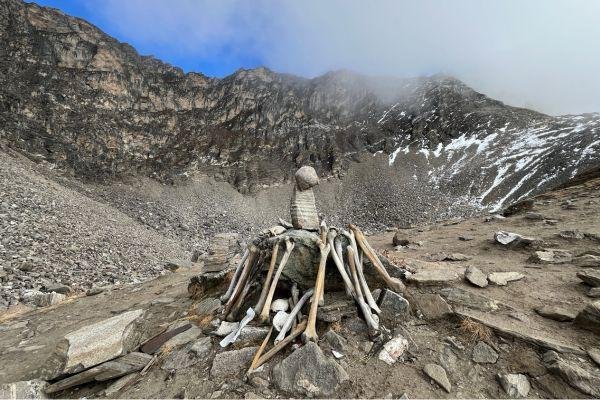
The Roopkund Trek is not just a hike; it is a visceral journey through the heart of the Garhwal Himalayas. Crossing over 16,000 feet, the trail to the "Skeleton Lake" is a gauntlet of emotional and physical extremes that changes every traveler who dares to step onto its path
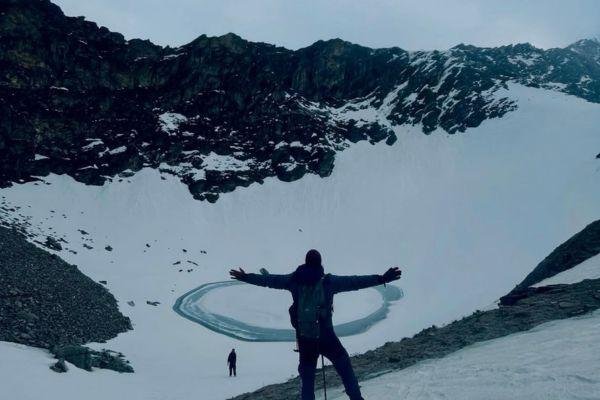
From the first heavy breath in Lohajung to the final, triumphant moment at the icy edge of the lake, here is what the experience of the Roopkund trek truly feels like.
What Makes the Roopkund Trek a Life-Changing Experience?
This section explores the initial allure of the trail and the unique atmosphere that sets it apart from any other Himalayan journey.
The adventure begins with a steep ascent through the ancient Oak and Rhododendron forests of Gehroli Patal.
The trek transitions from the lush green "carpets" of the Bugyals to the stark, lunar landscapes of Bhagwabasa. Here, the temperature drops below freezing, and the oxygen levels thin significantly.
The Haunting Majesty of the Skeleton Lake
Reaching the summit is a moment of profound silence as you finally stand before the glacial waters of Roopkund.
The Final Push from Bhagwabasa
The final 3-kilometer climb to the lake is a steep, zigzagging trail through snow and loose scree. Starting at 3:00 AM in the pitch black, with only your headlamp illuminating the frozen breath in front of you, the climb is grueling.
Confronting the Mystery
The lake sits in a deep, snow-clad bowl at 15,750 feet.
The View from Junargali
For those with a bit of energy left, the short, steep scramble to Junargali Pass offers a 360-degree panorama of the high Himalayas. Standing on the ridge, you are close enough to the Trishul massif to feel its icy breath. It is a place of absolute stillness, where the only sound is the flapping of prayer flags and the wind whispering ancient Garhwali legends.
Essential Preparation for a Successful Summit
To turn this ambitious trek into a successful reality, specific gear and physical preparation are non-negotiable.
Physical Fitness and Endurance
You cannot "walk into" Roopkund without preparation.
Gear and Packing Strategy
The mountain weather is famously unpredictable.
Navigating High Altitude Safety
Acute Mountain Sickness (AMS) is the primary risk on this trail.
Why You Should Book Your Journey Now
The Roopkund trek is more than a destination; it is a masterclass in resilience and a deep dive into the folklore of Uttarakhand.
Whether you are intrigued by the
For a seamless and safe expedition,
Is the Roopkund trek suitable for beginners?
It is a moderate-to-difficult trek that requires good fitness, so it's best for beginners who have prepared physically for at least 2 months.
What is the best time to see the skeletons?
The skeletons are most visible in late May to June and September to October when the snow on the lake has partially melted.
Can I carry my own luggage on the trek?
While you can carry your own pack, many trekkers choose to offload their bags to mules to save energy for the high-altitude sections.
Is there mobile network on the trail?
Mobile signal is very spotty and usually disappears after the village of Wan; expect a total digital detox during the trek.
Do I need to carry oxygen cylinders?
Standard trekking agencies carry emergency oxygen cylinders, but individual trekkers usually do not need to carry their own if they acclimatize properly.
What kind of food is served on the trek?
Most operators serve nutritious vegetarian meals including dal, rice, rotis, and high-energy snacks like porridge and soup.
Are there toilets available at the campsites?
Agencies set up dry pit toilet tents at every campsite to ensure hygiene and environmental protection for the meadows.
What happens if the weather turns bad?
The trek leader will make a safety call to either wait at the camp or descend if the weather poses a risk to the group.



0 Comments